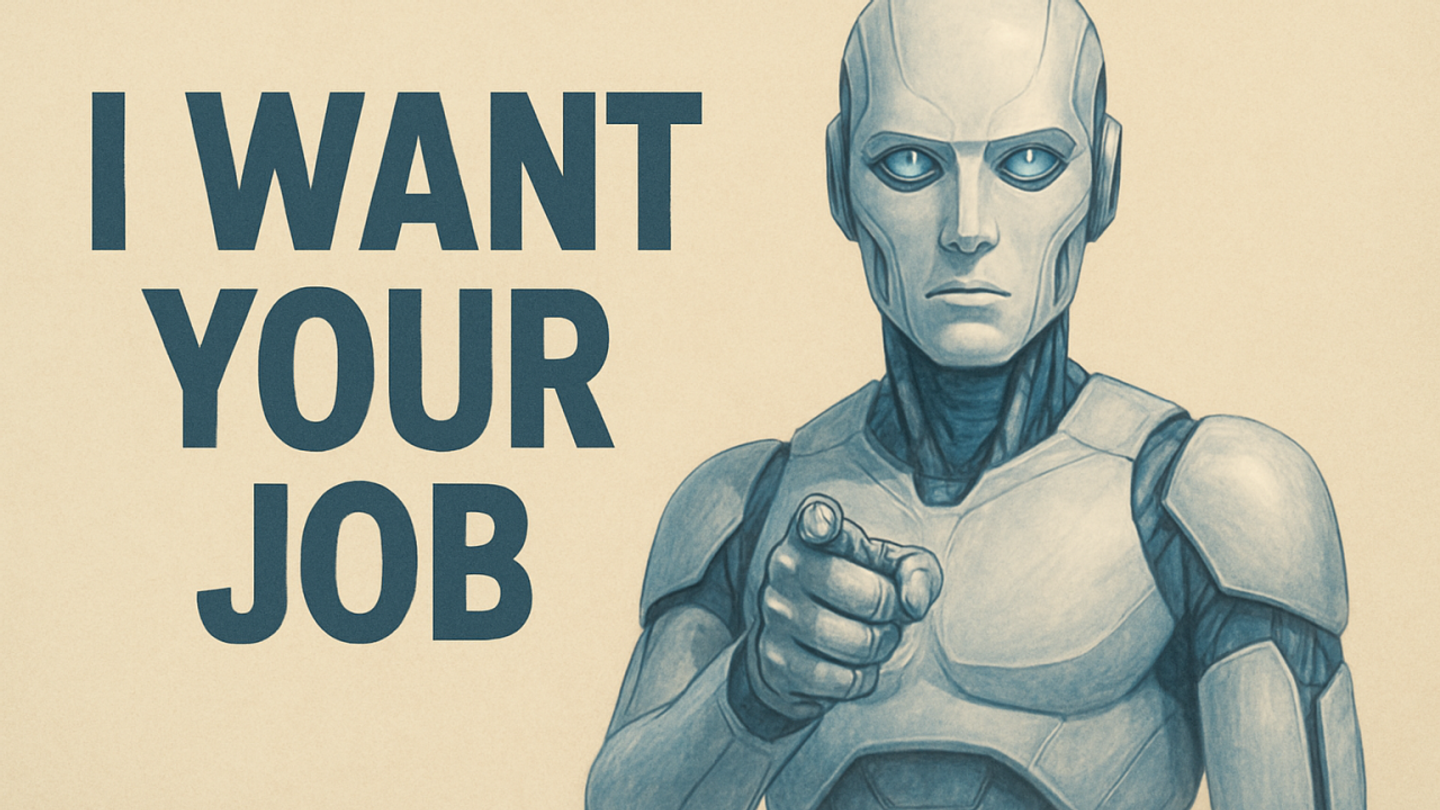
Artificial Intelligence has rapidly shifted from futuristic speculation to practical implementation. With generative AI, robotics and machine learning advancing at unprecedented speeds, the inevitable question arises: which jobs are at risk, and how soon might this happen?
Customer service representatives are likely to see change within two to five years. AI-driven chatbots and virtual assistants can handle high volumes of queries around the clock without fatigue.
Data entry and clerical roles are already changing, with extensive transformation likely within one to three years. Robotic process automation and optical character recognition can streamline repetitive, data-heavy tasks with near-perfect accuracy.
Telemarketing and outbound sales are already in transition, with major impacts expected within one to four years. Voice assistants and conversational AI tools can handle outbound calls, appointment confirmations and initial customer engagement.
Drivers and delivery personnel face a more gradual shift over five to ten years as autonomous driving technology improves and regulatory frameworks catch up.
Financial and accounting clerks may see substantial shifts within two to six years as AI-enabled bookkeeping, reporting and auditing tools improve.
Warehouse and inventory management is already changing, with major shifts expected in three to five years as robotics and AI-driven inventory systems optimise warehouse operations.
The fundamental reasons are cost efficiency, improved accuracy, scalability and availability. AI tools can operate continuously without fatigue or downtime.
The shift is inevitable, but humans are not obsolete. Adapting skillsets toward strategic thinking, creativity and roles involving human empathy will be crucial.
Rather than fearing displacement, professionals should focus on AI collaboration rather than competition.